
 EN
EN


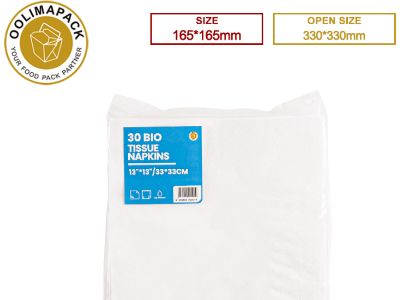
In the food service industry, the choice of napkins is often overlooked, yet they play a critical role in the dining experience at restaurants and cafes. Napkins for restaurants and cafes must not only complement the aesthetic of the establishment but also meet practical needs for functionality and sustainability. This article will address common concerns for B2B buyers, such as material selection, quality standards, and cost considerations, helping you make informed decisions when purchasing Napkin for your business.
Choosing Eco-Friendly Napkins for Restaurants and Cafes
Selecting eco-friendly napkins is essential for restaurants and cafes that prioritize sustainability. Many consumers are increasingly aware of environmental issues and prefer businesses that demonstrate a commitment to eco-friendly practices. When choosing napkins, consider options made from biodegradable materials such as fiber paper, PLA, or sugarcane, which OOLIMA Pack Co., Ltd specializes in producing.
These materials not only reduce environmental impact but also offer functional advantages such as heat resistance and durability. For example, PLA napkins are derived from renewable resources and can withstand high temperatures, making them suitable for a variety of food service applications. Furthermore, custom colors and sizes can enhance the visual appeal, allowing businesses to align their napkin choices with their branding.
Comparing Material Advantages of Sustainable Napkins for Food Service
Choosing the right material for napkins involves understanding their performance characteristics and how they align with your operational needs. Fiber paper napkins are known for their absorbency and strength, making them ideal for casual dining settings. They effectively handle spills and messes while offering a soft touch for customer comfort.
PLA napkins, on the other hand, are a great choice for establishments focused on sustainability, as they are created from plant-based materials and are compostable. They provide a similar level of performance to traditional paper Cutlery napkins but with added environmental benefits. Sugarcane napkins are another sustainable option, offering excellent durability and a unique texture that can enhance the dining experience.
When selecting materials, consider factors such as the type of cuisine served, expected customer traffic, and the specific functions the napkins will serve. Customization options, such as printing, can further enhance the napkins' appeal and help convey your brand message effectively.
Evaluating Quality Standards for Restaurant and Cafe Napkins
Quality standards in napkin production can significantly influence the performance and customer experience. Buyers should evaluate several key factors, including thickness, absorbency, and durability. A thicker napkin typically indicates better absorbency and strength, which is essential for high-traffic environments.
Moreover, assess the quality control processes employed by manufacturers. OOLIMA Pack Co., Ltd, for example, focuses on precision molding and has established robust quality assurance protocols to ensure consistent product performance. Always request product samples before placing a bulk order to verify that the napkins meet your specifications in real-world use.
Additionally, make sure to check for certifications that verify the sustainability claims of materials used. This can include compostability certifications or adherence to environmental standards, which are increasingly important to consumers and businesses alike.
Cost Factors to Consider When Ordering Napkins in Bulk
Cost is a critical factor for any B2B purchasing decision, and ordering napkins in bulk can provide significant savings. However, it’s important to consider more than just the unit price. Evaluate total cost factors, including shipping, import duties, and potential waste due to poor quality.
Minimum Order Quantities (MOQs) can also impact your purchasing strategy. Ensure that the quantities align with your consumption rates to avoid over-ordering, which can lead to increased storage costs or product waste. Discussing your specific needs with suppliers like OOLIMA can help you determine the most efficient order size and ensure timely delivery to meet your operational demands.
Additionally, consider the long-term benefits of investing in higher-quality napkins. While the initial cost may be higher, superior products can enhance customer satisfaction, reduce replacement frequency, and ultimately improve your bottom line.
Common Problems with Napkin Usage and Effective Solutions for Buyers
Despite the simplicity of napkins, buyers can face several common issues that affect their usability and effectiveness. One frequent problem is the mismatch between napkin size and the dining setup. Napkins that are too small may not provide adequate coverage for messes, while overly large Paper Plate napkins can be cumbersome for guests.
To mitigate such issues, it’s essential to choose napkins that fit your specific dining style and customer expectations. A well-sized napkin enhances the dining experience and minimizes waste.
Another common problem is durability. Low-quality napkins may tear easily, leading to customer dissatisfaction. Buyers should prioritize materials known for their strength and consider testing them under various conditions before committing to a large order.
Finally, implementing a clear communication strategy with your supplier can prevent misunderstandings about specifications and expectations. Be sure to discuss any unique requirements or concerns upfront, allowing the manufacturer to provide tailored solutions that meet your needs.
By paying attention to these factors, you can ensure that your choice of napkins for restaurants and cafes not only meets the practical needs of your establishment but also aligns with your sustainability goals and enhances the overall customer experience.
Table of Contents
- Choosing Eco-Friendly Napkins for Restaurants and Cafes
- Comparing Material Advantages of Sustainable Napkins for Food Service
- Evaluating Quality Standards for Restaurant and Cafe Napkins
- Cost Factors to Consider When Ordering Napkins in Bulk
- Common Problems with Napkin Usage and Effective Solutions for Buyers