
 EN
EN


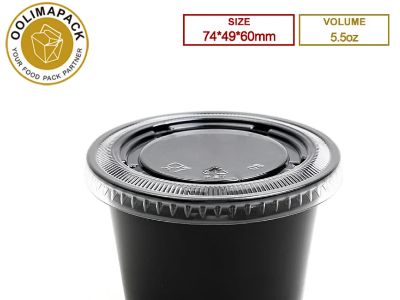
Paper sauce cups have become an essential component of leak-resistant takeout packaging, providing a practical solution for food service businesses looking to maintain food quality during transportation. As sustainability in packaging gains traction, understanding how paper Sauce Cup can enhance the functionality and reliability of takeaway options is crucial for purchasing managers and food service operators. This article will delve into the key specifications, cost factors, applications, common issues, and installation guidance for using paper sauce cups effectively.
Key Specifications to Look for in Quality Sauce Cups
When selecting paper sauce cups for your business, several specifications should be prioritized to ensure optimal performance.
Material Composition: Quality sauce cups are typically made from eco-friendly fiber paper, which is biodegradable and heat-resistant. It's vital to confirm that the Paper Cup are made from sustainable materials that align with your company’s environmental goals.
Capacity and Dimensions: Sauce cups come in various sizes, usually ranging from 1 oz to 8 oz. Choosing the right capacity is essential based on the intended use, whether for dips, sauces, or dressings. Ensure the dimensions fit well with your food containers to prevent spillage.
Leak Resistance: A crucial feature is the cup's ability to resist leaks. This is often achieved through a specialized coating or design. Buyers should inquire about testing methods used to verify leak-proof capabilities, as this directly impacts customer satisfaction.
Customization Options: Many manufacturers, including OOLIMA Pack Co., Ltd, offer custom colors and printing. Custom branding on sauce cups can enhance visibility and promote your brand during delivery.
Temperature Tolerance: Ensure the sauce cups can withstand the temperatures they will encounter during food service. Hot sauces require cups with higher temperature tolerances to prevent deformation.
By focusing on these specifications, buyers can ensure they select Paper Plate and sauce cups that meet both functional and branding needs.
Understanding the Cost Factors of Leak-Resistant Packaging Solutions
The cost of paper sauce cups can vary significantly based on several factors:
Material Quality: Higher quality, eco-friendly materials often come at a premium. However, investing in these materials can lead to better customer satisfaction and reduced waste.
Customization: Additional features like custom printing or unique designs add to the cost. Buyers should assess whether these enhancements will provide sufficient value to justify the expense.
Production Volume: Typically, manufacturers offer lower unit prices for larger orders. Understanding the Minimum Order Quantity (MOQ) can help buyers optimize their budgets.
Supply Chain Logistics: Shipping costs, especially for international orders, can impact overall pricing. It’s essential to factor in potential tariffs and shipping charges when budgeting for purchases.
Lead Times: Shorter lead times may come with higher costs. Buyers should weigh the urgency of their needs against the potential price increase for expedited processing.
By understanding these cost factors, purchasing managers can make informed decisions that align with their budget while ensuring quality and reliability in their packaging solutions.
Applications of Paper Sauce Cups in Food Service and Catering
Paper sauce cups are versatile and can be utilized across various applications in the food service and catering industries:
Takeout Orders: They are ideal for restaurants and food trucks to include sauces or dressings with takeout meals, ensuring that customers can enjoy their food without worrying about messes.
Catering Events: For catering companies, these cups are perfect for individual servings of sauces, allowing guests to choose their preferred options without compromising on presentation.
Sampling: Food manufacturers can use sauce cups for product samples at grocery stores or food festivals, allowing consumers to taste before purchasing.
Condiment Stations: In buffets or self-service stations, sauce cups can hold various condiments, providing a neat and organized way to serve multiple options.
By leveraging these applications, food service providers can enhance their offerings and improve customer experiences.
Common Problems with Takeout Packaging and Effective Solutions
While using paper sauce cups provides numerous benefits, there are potential issues that buyers should be aware of:
Leakage: Despite being designed for leak resistance, improper sealing or low-quality materials can lead to leakage. It is recommended that businesses conduct thorough quality inspections to ensure that all products meet leak-proof standards before use.
Deformation: Cups can deform under high heat or if they are filled to capacity. Buyers should confirm the temperature tolerance of their chosen cups and consider using a double-walled design for hot sauces.
Cross-Contamination: In environments where multiple sauces are served, there is a risk of cross-contamination. Clearly labeling each sauce cup can mitigate this risk and enhance food safety.
Sustainability Concerns: While paper sauce cups are generally more sustainable than plastic options, buyers should ensure that the products are certified biodegradable and compostable. It's essential to verify the manufacturer's claims regarding environmental responsibility.
By addressing these common problems proactively, food service operators can enhance the reliability and integrity of their takeaway packaging solutions.
Installation Guidance for Effective Use of Sauce Cups in Take
To maximize the effectiveness of paper sauce cups in takeout packaging, consider the following installation guidance:
Pre-Testing: Before committing to a mass order, it’s advisable to request samples and test them under actual use conditions. This allows buyers to evaluate the cups for leakage, deformation, and overall usability.
Proper Filling Techniques: Train staff on how to fill the cups properly, ensuring they do not exceed the recommended capacity to prevent spills during transport.
Sealing Options: Depending on the application, consider using lids or sealing techniques that can further enhance the leak resistance of sauce cups. This is particularly important for delivery orders.
Storage Conditions: Store sauce cups in a cool, dry place to avoid moisture absorption, which can compromise their structural integrity.
By following these installation and operational guidelines, businesses can ensure that their use of paper sauce cups is both effective and efficient, thereby improving their overall takeaway service quality.
By understanding the specifications, costs, applications, potential problems, and effective installation tips for paper sauce cups, B2B buyers can make informed decisions that enhance their food service operations. As the demand for sustainable and reliable packaging solutions grows, investing in quality paper sauce cups is a step towards meeting both customer expectations and environmental responsibilities.
Table of Contents
- Key Specifications to Look for in Quality Sauce Cups
- Understanding the Cost Factors of Leak-Resistant Packaging Solutions
- Applications of Paper Sauce Cups in Food Service and Catering
- Common Problems with Takeout Packaging and Effective Solutions
- Installation Guidance for Effective Use of Sauce Cups in Take