
 EN
EN


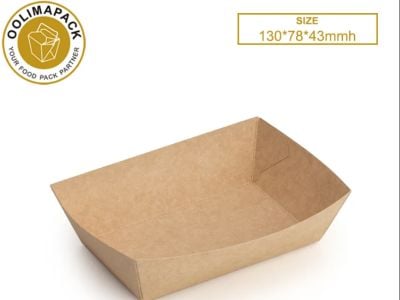
Paper trays have gained significant popularity in the fast food packaging industry due to their ability to simplify the packaging process while meeting increasing demands for sustainability. Manufactured from eco-friendly materials like fiber paper and sugarcane, these trays not only hold food securely but also align with the industry's shift towards biodegradable options. This article will guide purchasing managers and food service professionals through essential specifications to consider, reliable suppliers, comparative analyses of eco-friendly options, cost factors for bulk orders, and quality control measures in manufacturing Paper Trays.
Key Specifications to Consider When Choosing Paper Trays
When selecting paper trays for fast food applications, several key specifications should be evaluated:
Material Composition: The choice of material impacts both the environmental footprint and the tray's performance. Options like fiber paper, PLA, and sugarcane are biodegradable and suitable for various food types. Understanding the material’s heat resistance is crucial, especially for hot foods, to prevent leaks or structural failure.
Dimensions and Weight Capacity: Trays come in various sizes and shapes. It's essential to choose dimensions that fit your portion sizes while considering the weight capacity to withstand the food without bending or breaking. A tray with Cutlery that appears adequate on paper may not hold up under actual service conditions.
Barrier Properties: Different food items require different barrier levels. For example, oily or wet foods may need trays with enhanced moisture resistance. This specification is key to maintaining food quality and minimizing leaks during transport.
Customization Options: Many suppliers offer custom colors and designs. This can be a marketing advantage, but it also requires a clear discussion about minimum order quantities (MOQ) and lead times for customized products.
Compliance and Certifications: Verify that the trays meet relevant food safety standards and environmental certifications. This ensures that the packaging does not introduce harmful substances into food and aligns with sustainability goals.
Reliable Suppliers for Paper Trays
Finding a trustworthy supplier for paper trays is critical for maintaining product quality and consistency. Look for manufacturers with a proven track record, such as OOLIMA Pack Co., Ltd., which specializes in sustainable takeaway packaging. Key considerations when evaluating suppliers include:
Experience and Expertise: Suppliers with extensive experience in the food packaging industry are likely to have better insights into material selection, design considerations, and compliance issues.
Production Capabilities: Assess the supplier's production methods, including precision molding and OEM/ODM capabilities. This ensures they can meet your specific needs, whether for bulk orders or custom designs.
Quality Assurance Processes: Inquire about the quality control measures in place. A reputable supplier should have a systematic approach to inspecting raw materials and finished products, which is vital for ensuring consistency.
Customer Support and Communication: Responsive customer service is essential for addressing any concerns that may arise during the ordering process. This can greatly enhance your partnership.
Comparing Eco-Friendly Paper Trays for Fast Food Applications
When comparing eco-friendly paper trays, consider the following factors:
Material Source: Trays made from renewable resources, such as sugarcane and bamboo, typically offer enhanced biodegradability compared to traditional paper products. This can be an important selling point for environmentally conscious consumers.
Decomposition Rate: Understanding how quickly a material decomposes in various environments (like landfills versus composting) can influence your choice. Faster decomposition rates are better for sustainability goals.
Performance Under Stress: Evaluate how different materials perform under actual conditions, such as temperature changes and moisture exposure. For example, PLA trays can be effective for cold foods but may not withstand high temperatures as well as fiber-based options.
Cost vs. Benefit: Eco-friendly materials can sometimes come at a higher cost. Analyze the long-term benefits of using sustainable packaging, such as brand loyalty and reduced waste disposal fees, against the upfront costs.
Cost Factors to Evaluate for Bulk Orders of Paper Trays
Several cost factors should be evaluated when considering bulk orders of paper trays:
Unit Price vs. Total Cost: While the unit price is important, consider the total cost of ownership, which includes shipping, storage, and potential waste due to damaged or inadequate trays.
MOQ and Order Flexibility: Many suppliers have minimum order quantities that can affect pricing. Understanding these requirements can help with budgeting and inventory management.
Shipping and Logistics: Shipping costs can vary significantly based on order size and weight. Consider logistics in your budget and inquire about suppliers' shipping options for cost-effective solutions.
Long-Term Contracts and Discounts: Establishing a long-term relationship with a supplier may yield discounts or better pricing structures. Discuss potential savings for consistent orders over time.
Quality Control Measures in Manufacturing Paper Trays
Quality control is essential to ensure that paper trays meet performance and safety standards. Key measures include:
Raw Material Inspection: Suppliers should have protocols to inspect the quality of incoming raw materials. This helps to prevent defects due to substandard materials in the final product.
In-Process Inspections: Regular checks during the manufacturing process can catch issues early on, preventing waste and ensuring that the trays meet specified dimensions and performance criteria.
Final Product Testing: Before bulk shipments, conducting tests for heat resistance, moisture barriers, and structural integrity is critical. Buyers should request samples for testing under expected service conditions to verify performance.
Feedback Mechanisms: Establishing a feedback loop with your supplier can help improve product quality over time. Regular communication about performance issues can lead to adjustments in manufacturing or material selection.
By understanding these aspects of Paper Plate trays and the associated purchasing considerations, B2B buyers can make informed decisions that align with their operational needs and sustainability goals.