
 EN
EN


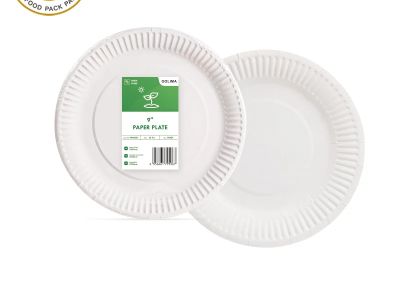
In the world of high-volume catering, the importance of effective, sustainable, and practical food service solutions cannot be overstated. The role of paper plates in high-volume catering has become increasingly significant, especially as businesses strive for eco-friendly options that align with modern consumer values. This article will delve into the key specifications, cost factors, and material comparisons that B2B buyers must consider when sourcing paper plates for catering projects. By understanding these aspects, purchasing managers and distributors can make informed decisions that meet both operational needs and environmental standards.
Key Specifications for High-Volume Catering Paper Plates
When evaluating paper plates for high-volume catering, several key specifications come into play. These include material composition, dimensions, load capacity, and heat resistance.
Material Composition: The choice between fiber paper, sugarcane, and PLA influences not only the environmental impact but also the plate's durability. Fiber paper plates are often sturdy and biodegradable, making them a popular choice for catering events. Sugarcane plates, on the other hand, are made from renewable resources and are comfortable, appealing to sustainability-focused clients.
Dimensions: The size of the plates should align with the types of meals being served. Common sizes range from 6 inches for desserts to 10-12 inches for main courses. It’s essential to consider how the plate dimensions will accommodate various food items without compromising presentation or usability.
Load Capacity: Plates must be capable of holding the intended food portions without bending or breaking, especially in high-traffic catering environments. This is particularly crucial for dishes that may be heavier or wetter, as inadequate load capacity can lead to service disruptions.
Heat Resistance: High-volume catering often involves hot foods. Therefore, selecting plates with appropriate heat resistance is vital to prevent warping or melting. Plates made with heat-resistant materials such as PLA or specialized fiber paper are ideal for hot items.
Understanding these specifications will help buyers select the right Paper Plate that maintain both functionality and aesthetic appeal.
Where to Find Reliable Suppliers of Eco-Friendly Paper Plates?
Finding reliable suppliers of eco-friendly paper plates requires careful research and consideration. Begin by looking for manufacturers that specialize in sustainable packaging solutions, such as OOLIMA Pack Co., Ltd. Key factors to evaluate include:
Manufacturing Capabilities: Look for suppliers with modern production technologies, such as precision molding. This can enhance the quality and consistency of the plates produced.
Customization Options: Suppliers that offer customization in terms of sizes, colors, and branding can better meet the unique needs of catering businesses. Customization can also aid in creating a stronger brand presence at events.
Certifications: Check if the suppliers hold relevant certifications that demonstrate their commitment to sustainability and quality control. Certifications can provide assurance regarding the environmental impact of the products.
Customer Reviews and References: Reliable suppliers should have positive feedback from previous clients. Requesting references can help gauge their reputation and reliability in fulfilling orders.
Minimum Order Quantities (MOQ): Understanding the MOQ is crucial for budget management, especially for large events. Ensure the supplier’s MOQ aligns with your purchasing needs.
By prioritizing these factors, purchasing managers can identify trustworthy suppliers that align with their sustainability goals.
Cost Factors in Sourcing Paper Plates for Catering Projects
When sourcing paper plates for catering projects, understanding the cost factors is essential for budget planning. Key considerations include:
Material Costs: The choice of material significantly impacts the price. For instance, sugarcane plates may have a higher production cost compared to traditional fiber paper plates due to the sourcing of renewable materials.
Customization Fees: Custom sizes or printed designs can incur additional costs. It’s vital to factor these into the total budget, especially for large orders where branding is a priority.
Shipping and Handling: Shipping costs can vary based on the supplier's location and the delivery destination. Ensure to inquire about shipping fees and lead times to incorporate these into overall project costs.
Volume Discounts: Many suppliers offer discounts for bulk orders. Understanding the pricing structure can help maximize budget efficiency, especially for large catering events.
Quality Control: Investing in higher-quality products may lead to lower wastage and better customer satisfaction in the long run. Balancing cost with quality is crucial for maintaining service standards.
By comprehensively analyzing these cost factors, buyers can make more informed purchasing decisions that align with their budget constraints.
Fiber Paper vs. Sugarcane Plates
The choice between fiber paper and sugarcane plates is pivotal in high-volume catering. Each material has unique attributes that affect performance and sustainability.
Fiber Paper Plates: These plates are typically made from recycled paper and are known for their strength and versatility. They are suitable for a wide range of foods, both hot and cold. Fiber Paper Trays are often more affordable, making them a common choice for large events. However, they may not be as eco-friendly as sugarcane options unless sourced from sustainable practices.
Sugarcane Plates: Made from the byproducts of sugarcane processing, these plates are fully comfortable and biodegradable, aligning with the growing demand for sustainable packaging. They are robust and can withstand higher temperatures, making them ideal for hot meals. However, they may come at a premium price compared to fiber paper plates.
Ultimately, the choice between fiber paper and sugarcane plates depends on the specific requirements of the event, including budget, environmental considerations, and the types of food being served.
Best Applications for Paper Plates in High-Volume Catering Events
Paper plates are versatile solutions that suit a variety of high-volume catering applications. Key scenarios include:
Corporate Events and Conferences: For large gatherings where food is served buffet-style, paper plates offer a convenient and eco-friendly option for attendees. Their lightweight nature makes them easy to handle, and customization can enhance brand visibility.
Weddings and Social Gatherings: Catering for weddings often demands a combination of functionality and aesthetics. Paper plates can be customized to match color schemes and themes, providing a stylish yet practical serving option.
Food Festivals and Outdoor Events: In outdoor settings where traditional dishware might be impractical, paper plates provide a disposable yet environmentally responsible solution. Their ability to handle a variety of food types makes them ideal for diverse menu offerings.
Catering Services: For catering businesses, offering clients a choice of eco-friendly, custom Food Containers can serve as a significant selling point. They fit well into a broader sustainability strategy, appealing to environmentally conscious consumers.
By understanding these applications, purchasing managers can better align their sourcing strategies with the specific needs of their catering events, ensuring efficient and effective service delivery.