
 EN
EN


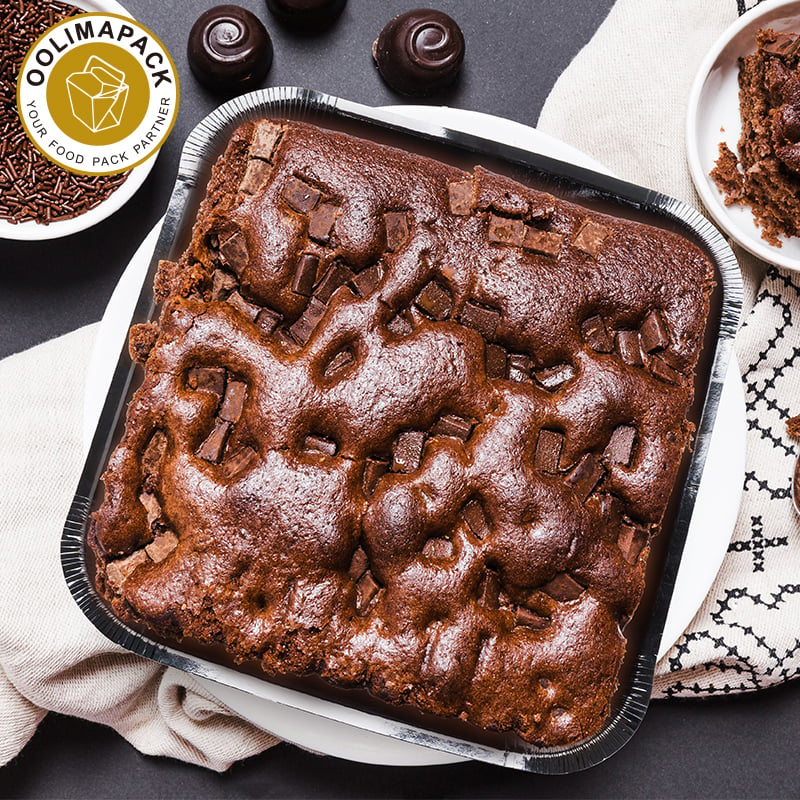
Baking paper is an essential component in the food manufacturing process, providing a non-stick surface for baking and cooking. Understanding what food manufacturers expect from baking paper is crucial for purchasing managers and suppliers. Key concerns include quality, specifications, and application suitability. This article will help you navigate these areas, ensuring that your choices meet both operational requirements and sustainability goals.
What Food Manufacturers Need to Know About Baking Paper Quality
When it comes to baking paper, quality is paramount. Food manufacturers expect products that not only perform well but also adhere to safety and environmental standards. Key quality indicators include heat resistance, non-toxicity, and the ability to withstand various cooking methods, such as baking, steaming, and microwaving.
Heat resistance is particularly important, as baking temperatures typically range from 350°F to 450°F (approximately 175°C to 230°C). If the paper fails to withstand these temperatures, it can break down, potentially contaminating food and affecting flavor. Additionally, non-toxic materials are crucial since food safety regulations mandate that any packaging or material in direct contact with food must not leach harmful substances.
Manufacturers often look for baking paper that is eco-friendly, biodegradable, and derived from sustainable sources. This not only meets regulatory requirements but also aligns with consumer preferences for sustainable products.
Key Specifications of Baking Paper for Wholesale Buyers
When purchasing baking paper in bulk, several specifications should be considered to ensure compatibility with production processes. The most critical features include:
Thickness: Common thicknesses range from 35 to 50 grams per square meter (gsm). Thicker papers may offer better durability and resistance to tearing but could affect the cooking time if not properly assessed.
Material Composition: Baking paper is typically made from cellulose fibers. Some options may include silicone coatings for enhanced non-stick properties, while others may be uncoated for specific applications.
Dimensions: Standard sheet sizes range from 12 x 16 inches to larger rolls. Custom sizes may be necessary depending on the specific baking equipment used.
Heat Resistance: Look for papers labeled as heat resistant up to certain temperatures. This specification is crucial for applications requiring high baking temperatures.
Biodegradability: Manufacturers should verify that the baking paper meets environmental standards, particularly if they are aiming to reduce their carbon footprint.
Understanding these specifications helps wholesale buyers select the right baking paper for their operations, ensuring optimal performance and compliance with industry standards.
Comparing Cost Factors for Bulk Orders of Baking Paper
When evaluating the costs associated with bulk orders of baking paper, several factors come into play. The price per unit often decreases with higher order quantities, but hidden costs may include shipping, storage, and waste management.
Unit Price: Generally, larger orders will yield a lower price per unit. However, suppliers may have minimum order quantities (MOQs) that could affect overall costs.
Shipping Costs: Bulk orders can incur significant shipping fees, particularly for international shipments. It's wise to compare shipping options and consider local suppliers to minimize these costs.
Storage: Ensure that your facility can accommodate the volume of paper ordered. Poor storage conditions can lead to damage or degradation, resulting in additional costs.
Waste Management: Evaluate the sustainability practices associated with disposal. Choosing biodegradable options may lead to cost savings in waste management.
Lead Time: Consider the time from order placement to delivery. Longer lead times may require you to hold more inventory, affecting cash flow.
By analyzing these factors, buyers can better assess the total cost of ownership for baking bags, leading to informed purchasing decisions.
Understanding the Applications of Baking Paper in Food Manufacturing
Baking paper serves multiple applications within food manufacturing. Its primary use is in baking, where it provides a non-stick surface for cakes, pastries, and breads. However, its versatility extends beyond traditional baking.
Food Service and Catering: In the catering industry, baking paper is often used for lining trays and containers to facilitate easy food release and cleanup.
Frozen Foods: In the pre-packaged food sector, baking paper can be used to separate layers of frozen items, preventing them from sticking together.
Steaming and Roasting: Many manufacturers use baking paper for steaming vegetables or roasting meats. It helps retain moisture while providing a non-stick surface.
Presentation: In some cases, baking paper can enhance the presentation of food items, especially when used as decorative wraps or liners.
Understanding these applications enables manufacturers to choose the right type of baking paper for their specific needs, ensuring that they achieve optimal results in various cooking and presentation scenarios.
Baking Paper for Food Manufacturers
For food manufacturers, selecting the right baking paper involves considering several factors to ensure compliance with safety and operational standards. Key considerations include:
Regulatory Compliance: Verify that the baking paper meets local and international food safety regulations. This includes certifications for food contact materials.
Customization Options: Many manufacturers, including OOLIMA Pack Co., Ltd., offer customization in terms of size, color, and branding. Customizing baking paper can help businesses reinforce their brand identity while ensuring functionality.
Sustainability Goals: With increasing consumer focus on sustainability, opting for biodegradable and eco-friendly paper trays can enhance brand reputation and align with market trends.
Quality Control Processes: It's essential for manufacturers to implement rigorous quality control measures during production. This includes testing for heat resistance, non-toxicity, and performance under actual baking conditions.
Sample Approval: Before committing to large orders, buyers should insist on sample approval to assess the product's compatibility with their specific baking processes. Testing samples can reveal potential issues with performance or quality.
By considering these factors, food manufacturers can select baking paper that not only meets operational needs but also aligns with their brand values and consumer expectations.